If sleep apnea is suspected, a sleep study and medical diagnosis are the safest way to choose treatment. We coordinate the pathway.
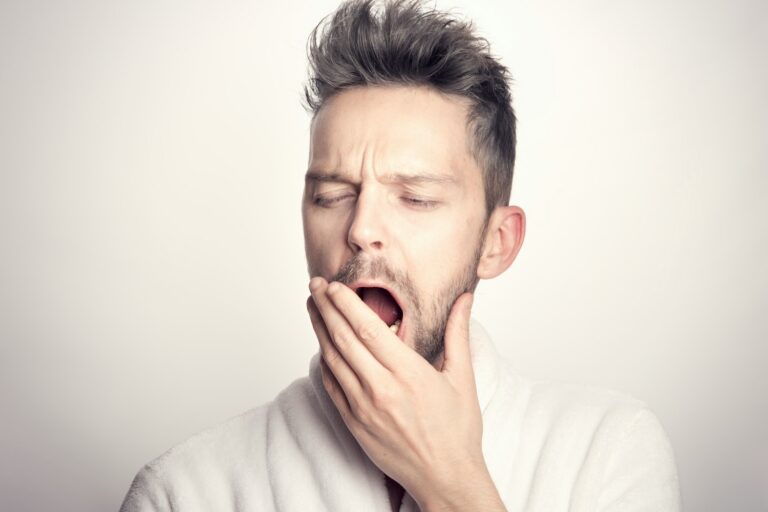
Sleep Apnea & Snoring Care in Issaquah
If you’re sleeping seven or eight hours and still exhausted, something is off.
Snoring, restless sleep, morning headaches, dry mouth, daytime fog. These can all be signs of breathing resistance during sleep. We help you take the right next step, starting with screening and, when needed, coordinating a sleep study. From there we explore evidence-based options including oral appliance therapy.
Many patients who grind their teeth also have undiagnosed sleep-disordered breathing. Because Dr. Besharati evaluates both the jaw and the airway in the same office, connected conditions get identified and treated together instead of in separate offices with separate plans.
Before your visit, review sleep evaluation preparation and insurance and payment information. To discuss snoring, sleep concerns, or oral appliance evaluation, request a sleep evaluation.

Common Signs
- Snoring, especially with gasping, choking, or pauses in breathing
- Waking up unrefreshed even after a full night
- Morning headaches, jaw tightness, or sore throat
- Dry mouth, mouth breathing, or nighttime reflux
- Daytime fatigue, brain fog, mood changes, or trouble focusing
- Jaw clenching that seems worse when sleep is poor
Related reading: Eight Hours of Sleep and Still Exhausted?
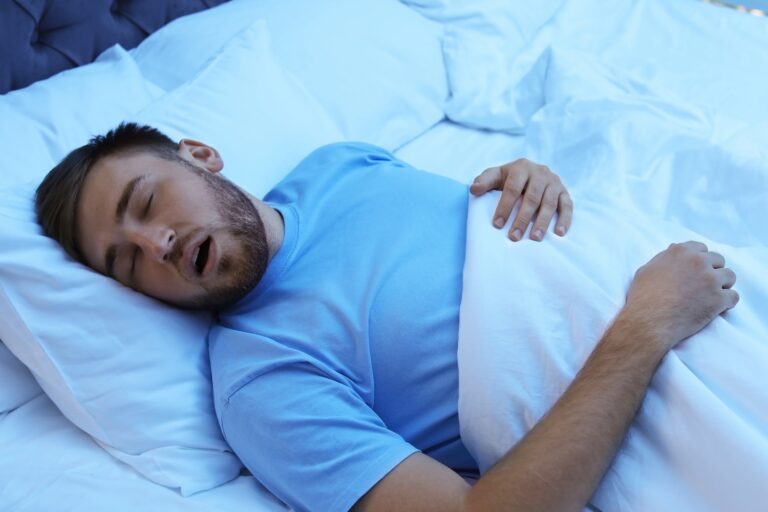
Snoring vs. Sleep Apnea
Snoring happens when airflow vibrates the soft tissues of the upper airway. It can be harmless, or it can be a sign of something more serious.
Obstructive sleep apnea (OSA) occurs when the airway repeatedly narrows or collapses during sleep, causing breathing disruptions and frequent micro-awakenings. A lot of people don’t remember waking up, but they still feel wiped out.
Sleep fragmentation affects mood, attention, and energy. Untreated OSA can increase health risks over time. Even without a full apnea diagnosis, airway resistance alone can reduce sleep quality and daytime performance.
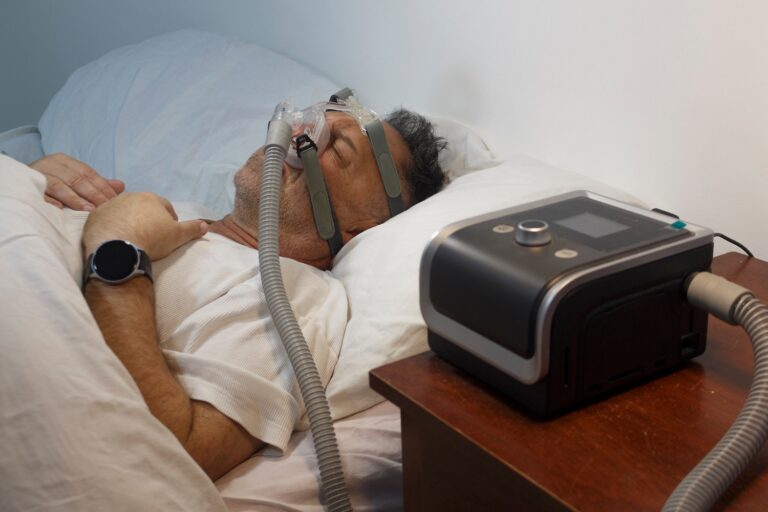
CPAP Intolerance
Tried CPAP and couldn’t stick with it? That’s common.
Many patients find CPAP effective but hard to use consistently. Oral appliance therapy is a comfortable, effective alternative for many adults with mild-to-moderate OSA, or for those who prefer something different. The best choice depends on your diagnosis, severity, and what works for your life.
The Right Pathway
-
Screening & Conversation
We start with your symptoms, health history, and risk factors. If sleep-disordered breathing looks likely, we recommend sleep physician involvement and objective testing.
-
Sleep Testing (Coordinated)
Home sleep apnea testing (HSAT) works for some patients. An in-lab polysomnogram may be better for others. Your sleep physician determines the right test and interprets the results.
-
Treatment & Verification
If OSA is diagnosed, options include CPAP, oral appliance therapy, positional therapy, weight management, and ENT evaluation. Whatever route you choose, we verify that it’s working. Oral appliances are adjusted over time and retested to confirm improvement.
You don’t have to figure this out alone. The best outcomes come from coordinated care: dentist, sleep physician, and sometimes ENT and primary care working together.
Oral Appliance Therapy
A custom oral appliance is worn during sleep. It holds the lower jaw slightly forward, keeping the airway open and reducing snoring and breathing disruptions.
-
Who It May Help
- Adults with diagnosed OSA who can’t tolerate CPAP or prefer an alternative
- Adults with primary snoring (after medical evaluation)
- Patients who need something travel-friendly or quiet
-
How We Deliver It
- Coordinate the diagnosis and prescription pathway with your sleep physician
- Design and fit a custom appliance with comfort and TMJ health in mind
- Adjust gradually to optimize results
- Monitor your bite and jaw response, and coordinate verification testing
-
Follow-Up & Safety
An oral appliance is not “set it and forget it.” Follow-up includes adjustments for comfort and effectiveness, monitoring for jaw soreness or bite shifts, and coordination with your sleep physician. Most patients adapt well, though some temporary jaw or tooth soreness can happen during the adjustment period.
If you already have TMJ symptoms, we evaluate your joint and muscle status carefully and choose an approach that protects them.
Airway Optimization
Airway optimization means improving the things you can control: breathing mechanics, oral posture, and structural contributors that affect sleep quality. Depending on your situation, we may discuss nasal breathing support, tongue function, myofunctional therapy, or orthodontic considerations when bite or arch form plays a role in airway resistance.
Some airway therapies are well-established (CPAP and oral appliance therapy for diagnosed OSA). Others are emerging. We’re upfront about what has strong evidence behind it and what’s still supplemental.
Frequently Asked Questions
Ready to get some clarity?
Call the office or request an appointment using our online form. We’ll get back to you within one to two business days and make sure we set aside enough time for your visit.
Mon through Thu, 7am to 4pm. Leave a message anytime and we’ll call you back within one to two business days.