Not always. Many people have painless clicking that stays stable for years. Clicking that’s painful, getting worse, or paired with locking is worth evaluating.
TMJ & Orofacial Pain Care in Issaquah
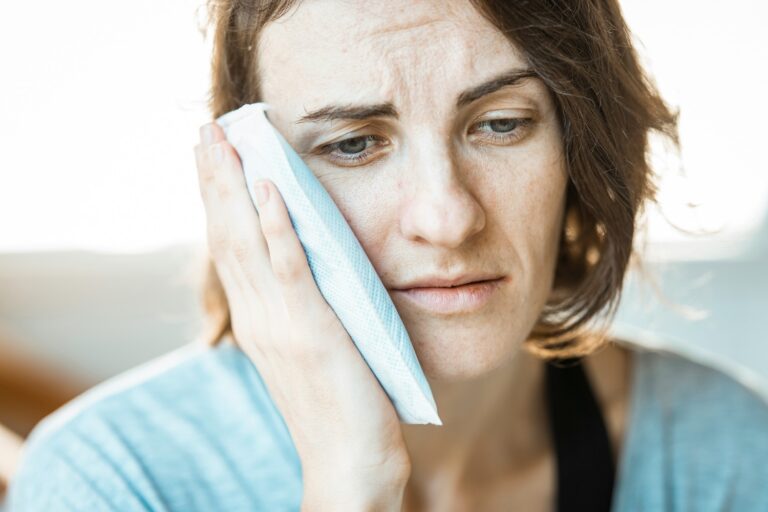
Jaw pain and clicking can be scary. Most of the time, it’s treatable.
If your jaw hurts, clicks, pops, feels tight, or won’t open the way it used to, you deserve a clear explanation and a plan that makes sense. We’ll help you figure out whether your symptoms are coming from the muscles, the joint itself, or something else entirely.
Request Evaluation or call (425) 996-0457
Dr. Besharati holds an MS in Orofacial Pain from USC and has treated complex jaw and facial pain conditions for over 25 years. He starts with conservative, reversible care and coordinates with medical specialists when the situation calls for it.
See what to bring to a TMJ evaluation and insurance and payment information before your first visit.
Related Insights: Why Does My Jaw Hurt on One Side? and When Does a Night Guard Help—and When Can It Make Things Worse?
Does This Sound Familiar?
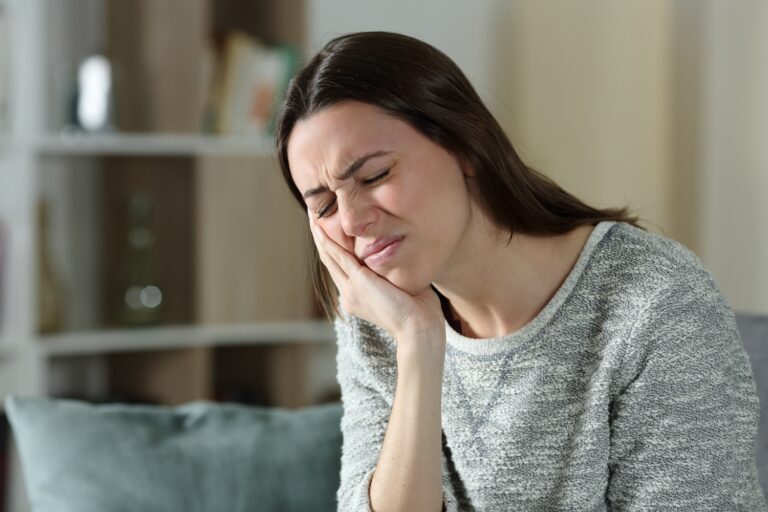
- Pain in front of the ear, jaw joint tenderness, or pain when chewing
- Clicking, popping, or “crunchy” joint noises
- Limited opening, feeling stuck, or jaw locking
- A bite that suddenly feels different or uneven
- Jaw fatigue, tightness, or morning soreness
- Temple headaches or facial aching that changes with chewing or clenching
- Grinding or clenching with tooth wear, sensitivity, or cracked teeth
What It Might Mean
“TMJ” is the joint. “TMD” is the disorder. People use them interchangeably, but what matters is identifying the specific pattern behind your symptoms.
Jaw symptoms can overlap with dental problems, sinus and ear issues, arthritis, nerve pain, and headache disorders. A focused evaluation helps prevent overtreatment and points you toward the least invasive option that fits the diagnosis.
-
Muscle-Driven Pain
Tightness, soreness, or pressure in the cheeks and temples. Can refer pain to teeth, the ear area, or the head and neck. Often gets worse with stress, clenching, gum chewing, or long dental appointments.
-
Joint Irritation
Pain closer to the joint, right in front of the ear, usually with opening or chewing. May be tender to touch. Sometimes shows up with new or increased joint noises.
-
Disc Mechanics
A click happens when the joint’s disc doesn’t move in coordination with the jaw. Painless clicking can be stable for years. Clicking with pain or locking is worth a closer look.
-
Headaches With Jaw Involvement
Overworked jaw muscles can send pain to the temples, cheeks, and behind the eyes. Not every headache is jaw-related, but many patients find that addressing jaw contributors cuts their headache frequency significantly. We help sort out what’s jaw-related and what isn’t.
-
Grinding & Clenching (Bruxism)
Bruxism can happen during the day (clenching) or during sleep (grinding). It damages teeth, exhausts jaw muscles, and can contribute to headaches. Daytime clenching is often the fastest win. Reducing it can drop symptoms quickly and protect the jaw system overall.
When to Call Right Away
-
Recent injury or impact to the jaw or face
-
Fever, significant swelling, or difficulty swallowing
-
Jaw suddenly won’t open beyond about two fingers, or locks repeatedly
-
A sudden bite change that showed up overnight
-
Sudden “worst headache of life” or thunderclap headache
-
New neurological symptoms: weakness, numbness, trouble speaking, vision changes
How Our Evaluation Works
-
Your Story
Orofacial pain is pattern-based. We ask about when it started, what triggers it, the quality of pain, your sleep, stress levels, past dental work, and what you’ve already tried.
-
Focused Exam
- Range of motion: opening, side-to-side, and how the jaw tracks
- Muscle palpation: finding trigger areas and referral patterns
- Joint loading tests: telling muscle sensitivity apart from joint sensitivity
- Bite and occlusion screening: checking for instability or sudden shifts
- Parafunction review: clenching, grinding, and daytime jaw habits
-
Imaging (When Needed)
Imaging isn’t always necessary. If your history and exam suggest joint degeneration, disc problems, trauma, or something unusual, we may recommend imaging or coordinate with a specialist. The goal is the right information without unnecessary tests.
What You Leave With
- A plain-language explanation of what’s most likely going on
- A prioritized plan: what to do first, what to watch, and when to escalate
- Clear expectations for follow-up and timeline
Treatment Options
Our approach: conservative, reversible, evidence-informed. Many TMDs improve over time and symptoms can fluctuate. We start with low-risk steps before considering anything more involved.
We avoid one-size-fits-all appliances without a diagnosis, irreversible bite changes as a first step, overpromising, and treatments that don’t match the pattern.
-
Education & Habit Coaching
Clenching awareness and micro-habits. Jaw rest and flare-up strategies. Ergonomic adjustments for head, neck, and workstation. Stress management approaches that are realistic and sustainable.
-
Physical Therapy (When Indicated)
Targeted jaw and neck muscle work to reduce guarding. Mobility work focused on control, not force. We coordinate with physical therapists in the Issaquah, Bellevue, and Seattle network who understand jaw mechanics.
-
Appliance Therapy (Custom, Diagnosis-Matched)
Used to protect teeth, reduce overload, and stabilize symptoms. The right appliance depends on your diagnosis. One size does not fit all. We monitor bite changes and comfort over time.
-
Medication & Collaborative Care
Short-term medications can help calm an acute flare. We coordinate with your physician when needed, especially for headaches, nerve pain, or sleep-related concerns. For complex pain, we work with neurology, ENT, sleep medicine, behavioral health, and pain psychology.
Frequently Asked Questions
Ready to get some clarity?
Call the office or request an appointment using our online form. We’ll get back to you within one to two business days and make sure we set aside enough time for your visit.
Mon through Thu, 7am to 4pm. Leave a message anytime and we’ll call you back within one to two business days.