By Ray Besharati, DDS, DMD, MS | Highlands Dentistry, Issaquah
A night guard can help protect teeth from grinding. It is not a guaranteed treatment for jaw pain, and a guard that causes pain needs reassessment. The useful starting point is simple: what problem are we asking this appliance to solve? [1,2]
Perhaps your dentist has noticed wear on your teeth. Perhaps you wake with a sore jaw, or you already wear a guard and still feel uncomfortable. Those situations can lead to different decisions. Before buying another appliance, it helps to separate tooth protection, pain care, and treatment for a breathing disorder during sleep.
What a night guard is meant to do
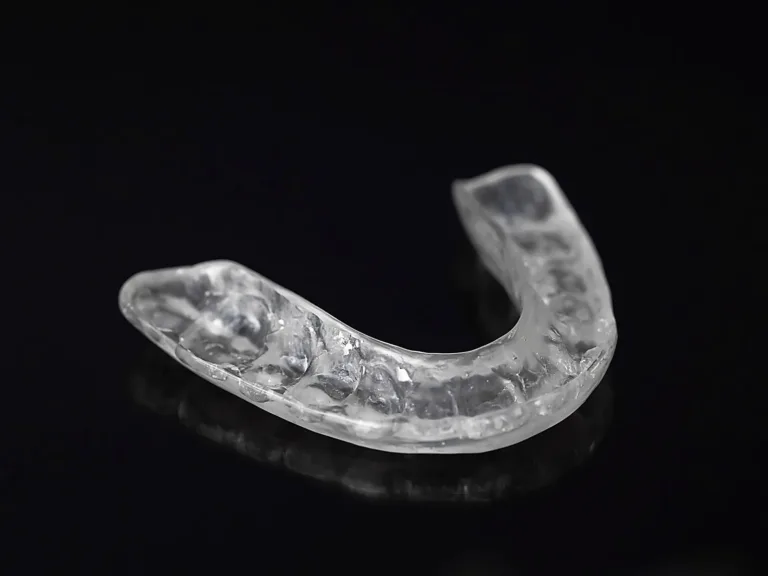
Bruxism means grinding or clenching the teeth, during sleep or while awake. When it is significant, it can damage teeth or dental work. A protective guard places material between the upper and lower teeth. That can help limit direct tooth-to-tooth wear, even if the grinding continues. [1,3]
This is why a guard can be useful without switching off the underlying behavior. Mayo Clinic specifically notes that dental approaches to protecting teeth may not stop bruxism. Protection and stopping grinding are different outcomes. [3]
Jaw pain needs its own diagnosis
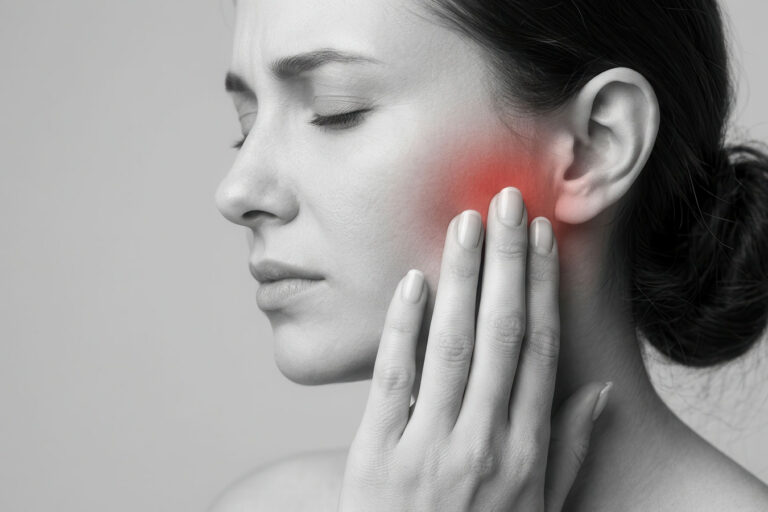
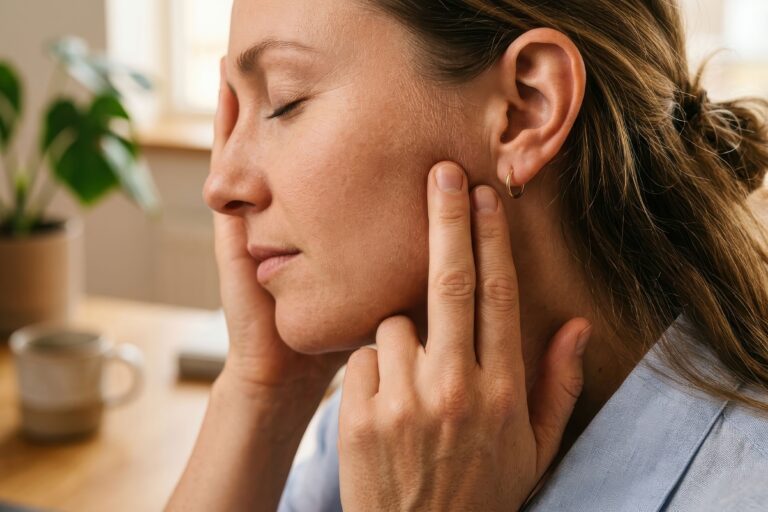
TMJ refers to the jaw joint. TMD, or temporomandibular disorders, describes conditions affecting the joints and chewing muscles. Pain near the jaw does not automatically establish either TMD or nighttime grinding. [2]
An evaluation considers your symptoms, jaw movement, muscle and joint tenderness, and dental findings. Your history—including when symptoms began and whether an appliance changed them—helps guide the next step. [2,3]
What the evidence says about pain relief
Some patients report improvement with a splint, but the research does not support promising that a guard will resolve everyone’s TMD pain. A 2024 Cochrane review found that splints might reduce chewing-related muscle pain compared with no treatment, while confidence in that result was very low. The studies varied substantially. [4]
A 2023 BMJ guideline went further: for TMD pain lasting at least three months, it made a conditional recommendation against reversible splints, while favoring approaches such as education, supervised jaw exercises and selected hands-on therapies. [5]
The scope matters. That guideline addresses chronic TMD pain; it does not cover acute TMD pain or settle the separate question of protecting teeth from grinding. A conditional recommendation also leaves room for an informed individual decision. If a guard is proposed for pain, ask what benefit is expected, what alternatives exist, and when the result will be reviewed. [5]
When a guard deserves another look
A poorly fitting appliance can aggravate discomfort. Its shape, fit and the way the teeth contact it should be checked by the clinician providing it. “Custom-made” does not remove the need for follow-up. [6]
If your guard causes pain, stop using it and contact your dentist. New difficulty opening, locking, or a persistent change in how your teeth meet also calls for evaluation. A bite change is a finding to investigate, not proof that the guard caused it. [2]
Do not keep tolerating worsening symptoms simply because you have already paid for the appliance. Bring the guard to the appointment and describe what changed, when it changed, and whether symptoms differ on nights you wear it. The next decision should reflect how you are doing now.
A night guard is different from a sleep apnea appliance
A standard grinding guard is not a substitute for prescribed treatment of obstructive sleep apnea. Appliances used for that condition are designed to help maintain the airway, often by holding the lower jaw forward. [7,8]
For adults prescribed oral appliance therapy for sleep apnea, the AASM/AADSM guideline favors a custom, adjustable device and recommends dental oversight, follow-up sleep testing and ongoing visits. Looking similar does not make two appliances interchangeable. [7]
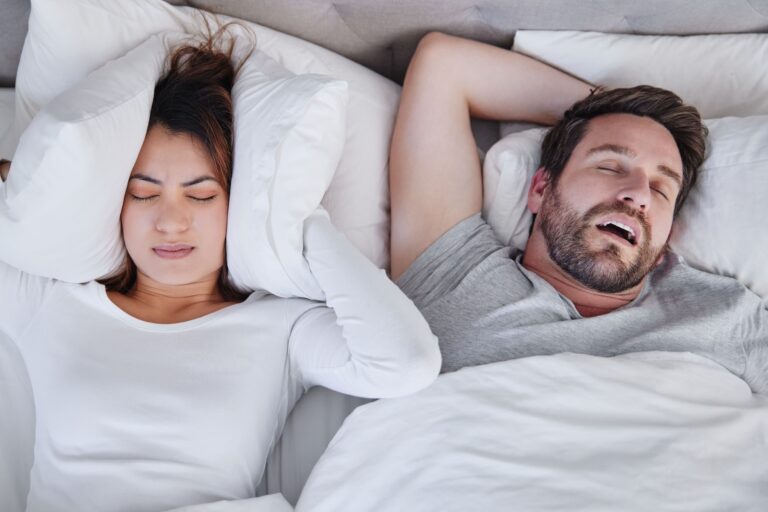
Tell your clinician about loud habitual snoring, witnessed breathing pauses, gasping or marked daytime sleepiness. Those symptoms warrant a discussion about sleep evaluation, rather than assuming a tooth-protection guard has addressed the problem. [9]
What else can be part of the plan
Care may include reducing daytime clenching and gum chewing, temporarily choosing easier-to-chew foods during a flare, and learning appropriate jaw exercises or working with a physical therapist. Education and strategies for coping with persistent pain may also help. The combination should fit the diagnosis and your needs. [5,10]
For awake clenching, a simple reminder to relax the jaw can be useful. Your clinician can show you a comfortable resting position and help you notice habits that add strain. [1,10]
Questions to ask before you start
- What are we treating: tooth damage, pain, a jaw disorder, or a sleep-related breathing problem?
- What makes this appliance appropriate for that goal?
- What improvement should I notice, and what will you measure?
- When should I return, and what changes mean I should call sooner?
- If the appliance does not help, what will we reconsider?
Common questions
Will a night guard stop my grinding?
Not necessarily. It may protect teeth while grinding continues. Ongoing symptoms or wear still deserve follow-up. [3]
Is a custom guard a guaranteed solution for TMJ pain?
No. Fit matters, but a better fit does not guarantee pain relief. The evidence for splints as a TMD pain treatment remains uncertain. [4,6]
Should I get a guard because my jaw clicks?
Painless clicking alone generally does not need treatment. Pain, locking or restricted movement changes the conversation. [2]
A clearer next step
If you are unsure whether you need a guard—or whether your current one is helping—start with an evaluation and bring the appliance with you. The goal is a clear explanation and a plan you can assess over time.
For patients in Issaquah and the Eastside, learn about TMJ and orofacial pain care or request an evaluation. Choosing an appointment does not commit you to an appliance.
Related reading: Why You Wake Up With a Sore Jaw
This article provides general education and does not replace an individual examination.
Clinical references
- National Institute of Dental and Craniofacial Research. Bruxism. Reviewed March 2025.
- National Institute of Dental and Craniofacial Research. TMD (Temporomandibular Disorders).
- Mayo Clinic. Teeth grinding (bruxism): Diagnosis and treatment. December 27, 2024.
- Singh BP, et al. Occlusal interventions for managing temporomandibular disorders. Cochrane Database of Systematic Reviews. 2024; CD012850. Evidence search through August 9, 2022.
- Busse JW, et al. Management of chronic pain associated with temporomandibular disorders: a clinical practice guideline. BMJ. 2023;383:e076227.
- Cleveland Clinic. Can a Mouthguard Help TMJ Pain? March 5, 2026.
- Ramar K, et al. Clinical Practice Guideline for the Treatment of Obstructive Sleep Apnea and Snoring with Oral Appliance Therapy: An Update for 2015. AASM/AADSM. Journal of Dental Sleep Medicine. 2015;2(3):71–125.
- National Heart, Lung, and Blood Institute. Sleep Apnea: Treatment. January 9, 2025.
- National Heart, Lung, and Blood Institute. Sleep Apnea: Symptoms. January 9, 2025.
- Mayo Clinic. TMJ disorders: Diagnosis and treatment. December 24, 2024.
Sources accessed October 4, 2026.