By Ray Besharati, DDS, DMD, MS | Highlands Dentistry, Issaquah
A quick sting from cold water can come from exposed tooth surfaces, but a cavity, crack, or worn filling can feel similar. Sensitivity toothpaste may help some causes. The first step is understanding why your tooth is reacting. [1,2]
When you notice sensitivity, pay attention to the pattern: which tooth reacts, whether the pain stops when the cold is gone, and whether biting also hurts. Those observations help your dentist decide what to examine. [3,7]
Why cold can make a tooth hurt
Beneath enamel is dentin, a layer containing microscopic channels. When dentin becomes exposed through enamel wear or gum recession, temperature changes can trigger the sensitive tissues inside the tooth. This is one explanation for the familiar brief “zing.” [1]
Other possibilities include decay, a damaged restoration, or a cracked tooth. Whitening and recent dental treatment can also cause sensitivity. Because several conditions overlap, the feeling alone cannot tell you which one you have. [2,3]
What you can try at home
For mild, brief sensitivity, these measures may help while you arrange care if symptoms persist:
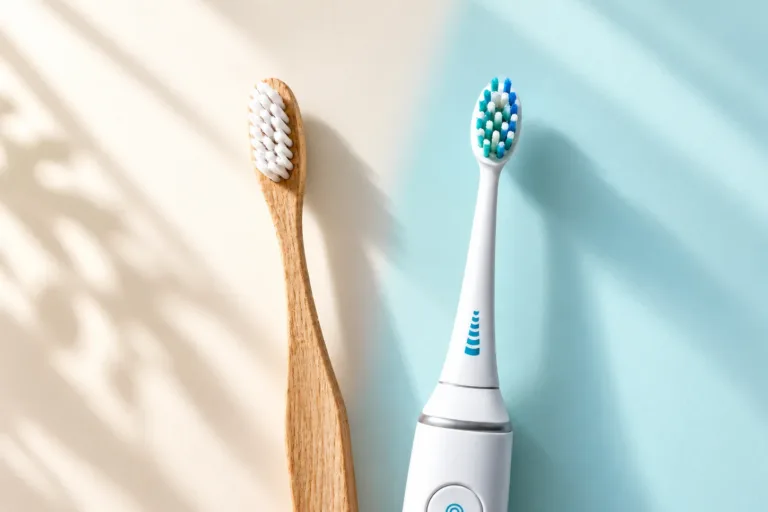
Brush gently. Use a soft-bristled toothbrush and fluoride toothpaste twice daily. Avoid forceful scrubbing and abrasive toothpastes. Keep up gentle daily cleaning between teeth. [2]
Choose a toothpaste formulated for sensitivity. Follow its directions and use it consistently; improvement may take repeated applications. A desensitizing toothpaste is not a repair for a cavity or a crack. [1]
Reduce acid exposure. Frequent acidic drinks and foods can contribute to enamel loss. Limit prolonged sipping of acidic beverages and have water afterward. If whitening seems to trigger discomfort, discuss your product and routine with your dentist before continuing. [2,5]
What the toothpaste research tells us
A 2026 systematic review found evidence that stannous fluoride and arginine toothpastes can reduce diagnosed dentin hypersensitivity. Confidence was stronger for some stannous fluoride results than for arginine, and findings varied by how sensitivity was measured. [4]
The practical message is to choose a suitable product and check whether it helps, rather than assuming every “sensitive” label works equally well. These studies address dentin hypersensitivity, not every cause of tooth pain. [4]
When to have the tooth checked
Arrange an examination if sensitivity keeps returning, does not improve, or begins affecting eating and drinking. A tooth that hurts with biting, or pain that continues after the cold is removed, deserves prompt attention. [3]
Lingering pain can raise concern about the pulp—the living tissue inside a tooth. It does not, by itself, establish a diagnosis or prove that a root canal is needed. Your dentist needs to combine the history with examination findings and appropriate tests. [7]
After a filling or other dental work
Some temperature sensitivity after treatment can be temporary. Let the treating dentist know if it is worsening, lingering, or accompanied by pain when biting. Do not assume a new symptom should be ignored simply because treatment was recent. [3]
What an evaluation can clarify
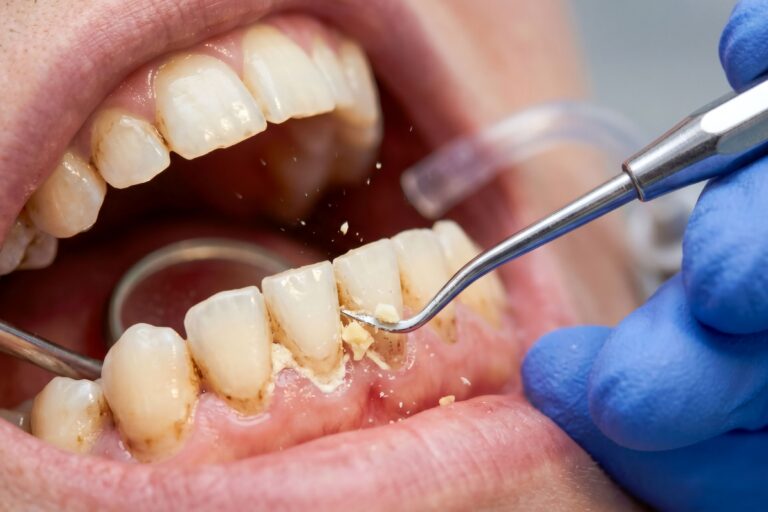
Your dentist may check exposed roots, restorations, decay, gum health, and possible cracks. Comparing the tooth’s response to cold, tapping, or biting with nearby teeth can help; X-rays are used when indicated. No single symptom or test supplies the whole answer. [7]
Treatment depends on the cause. Exposed sensitive surfaces may respond to fluoride or a protective coating. Decay or a damaged restoration needs an assessment of the tooth itself. Some teeth require additional treatment, but sensitivity alone is not a reason to jump directly to a crown or root canal. [1,5,7]
When the situation is urgent
Seek urgent dental care for swelling, fever with tooth pain, or severe pain that is not settling. Swelling near the eye or neck, or swelling that interferes with breathing or swallowing, requires emergency medical care. Call 911 for breathing difficulty. Do not wait for an online appointment request to be answered. [6]
Bring these observations to your visit
Tell your dentist when it began, what triggers it, how long the discomfort lasts, and whether one tooth or several are involved. Mention recent dental work, whitening, or an injury. You do not need to diagnose the problem yourself; a clear description is useful. [7]
At Highlands Dentistry in Issaquah, we can evaluate your tooth sensitivity and discuss care based on what the examination shows. Learn about our general dentistry care or request an evaluation.
Related reading: Electric or Manual: Does Your Toothbrush Actually Matter?
This article provides general education and does not replace an individual dental examination.
References
Sources checked October 9, 2026.
- American Dental Association. Sensitive Teeth. MouthHealthy. Patient education.
- Mayo Clinic Staff. Sensitive teeth: What treatments are available? June 19, 2024. Patient education.
- American Association of Endodontists. Tooth Pain. Patient symptom guidance.
- Gormley AJ, Walsh T, Twigg J, et al. Dentifrice formulations for the treatment of dentin hypersensitivity: A systematic review and network meta-analysis. Periodontology 2000. Published online August 31, 2026. doi:10.1111/prd.70088.
- Johns Hopkins Medicine. Sensitive Teeth: Why They Hurt and How to Stop the Pain. Reviewed by Alexander K. Daniel, DDS. February 28, 2024.
- NHS. Toothache. Patient guidance on dental and emergency symptoms. Emergency contact wording is adapted for U.S. readers.
- American Association of Endodontists. Endodontic Diagnosis. Endodontics: Colleagues for Excellence. Fall 2013. Used for the examination framework, not as a new treatment guideline.
Evidence note
The toothpaste review studied adults with diagnosed dentin hypersensitivity. Its main pooled comparisons assessed outcomes at about two weeks. Trials differed, most were industry funded, and some review authors disclosed manufacturer relationships. The review itself reported no specific grant. Findings support qualified ingredient-level advice, not a brand endorsement or a guaranteed result. [4]