Maybe you meant to book an appointment last year. Then work got busy, insurance changed, or a difficult dental experience made it easier to keep putting it off. Now the thought of going back brings another worry: “What will they find?”
You do not need to have everything figured out before making an appointment. The first step is to understand your current dental health, talk through your concerns, and decide what comes next.
Years away from the dentist do not tell us, by themselves, what treatment you need. An examination is the starting point.
Start with an honest conversation
When you call, a simple explanation is enough:
“It has been several years since my last visit. I’d like to start with an examination and understand my options.”
If you are nervous, say so when booking. You can ask the dental team to explain each step and agree on a hand signal for a pause. These are practical strategies recommended by the American Dental Association for people with dental anxiety. [1]
You can also explain what worries you most: discomfort, the sounds, uncertainty about treatment, or the cost. Being specific gives the conversation a useful starting point.
What happens at the first appointment?
The details depend on your needs and the type of visit booked. A general evaluation commonly includes a review of your health history, an examination of your mouth, and a discussion of the findings. Your dentist also checks the oral tissues for concerning changes. [2]
Bring a medication list, relevant medical information, and any available dental records. Our new-patient information explains what to bring to Highlands Dentistry.
If you have a particular concern, mention it when scheduling. That helps the office determine an appropriate starting appointment.
Will I need X-rays?
Possibly. Dental X-rays can reveal problems that cannot be seen during a visual examination. The decision should reflect your history, examination, symptoms, and risk of dental disease. Usable previous images may help avoid unnecessary repeat imaging. Ask your former office about transferring them. [3]
Will I automatically need a deep cleaning?
No. Time since your last visit is not, on its own, a diagnosis of gum disease.
Your dental team evaluates the gums, measures the spaces around the teeth, and considers evidence of damage to the supporting tissues, including bone loss on appropriate X-rays. Treatment depends on those findings. Scaling and root planing, often called a “deep cleaning,” is a treatment for periodontal disease rather than a routine upgrade for every overdue patient. [4]
For more detail, read Do You Really Need a “Deep Cleaning”?
Ask whether cleaning is included in the appointment you are booking. The appropriate type of care and the time needed may not be clear until after the evaluation.
What if nothing hurts?
Comfort does not tell the whole story. Early tooth decay often has no symptoms. A dental examination can identify concerns before you notice pain. [5]
That does not mean you should assume something serious is wrong. It means an examination provides information that guessing cannot.
What if I cannot afford everything at once?
Say that early in the conversation. Before agreeing to treatment, ask for an explanation of the findings, the options, and an estimate.
Useful questions include:
- What needs attention first, and why?
- Which findings can be monitored, and what would change that recommendation?
- What are the alternatives and the risks of waiting?
- Can care be divided into stages safely?
- What is the estimated cost of each stage?
Highlands Dentistry’s patient information describes phased care when it makes clinical sense. Whether that is appropriate depends on your examination. Ask the team to clarify expected insurance benefits and your estimated share before scheduling treatment; confirm your specific plan rather than assuming coverage.
An examination gives you a basis for making decisions. You can ask for clarification whenever a recommendation is unclear.
What can I do before my visit?
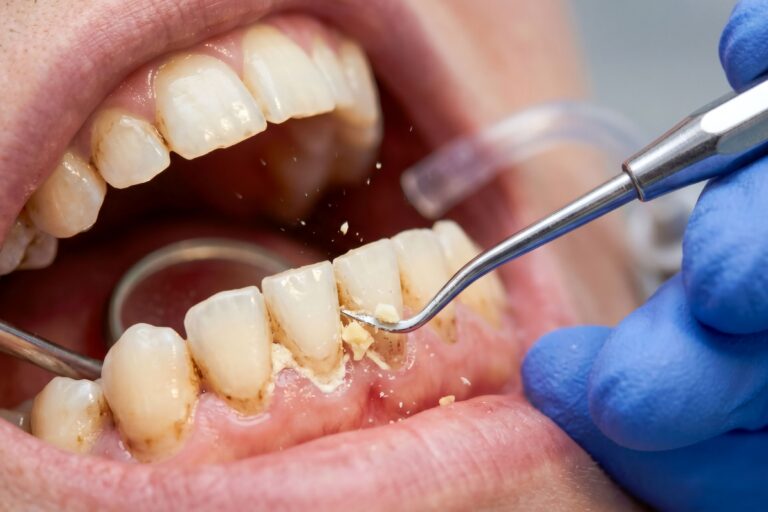
Keep the routine simple: brush gently twice daily with fluoride toothpaste and clean between your teeth daily using a method you can manage. Hard scrubbing is not a substitute for consistent care. Hardened tartar needs professional removal. [6]
Write down your main questions. If you have symptoms, note when they started and what seems to bring them on. Bring that information to your appointment.
You do not have to make your teeth look different before asking for help.
When should I seek care sooner?
Severe tooth pain, facial swelling, or fever with dental symptoms needs prompt assessment. Contact a dentist for urgent advice rather than waiting for a routine checkup. [7]
Trouble breathing or swallowing, or substantial swelling in the mouth or neck, needs emergency medical care. Call 911 or go to an emergency department. Do not wait for a website-form response. [7]
Returning to dental care in Issaquah
At Highlands Dentistry, we provide general and preventive dentistry in Issaquah. Tell us how long it has been and what would make getting started easier.
Your next step can be simple: request an evaluation, bring your questions, and work from the findings.
Or call (425) 996-0457.
Highlands Dentistry • 2520 NE Park Dr., Suite C, Issaquah, WA 98029
Monday–Thursday, 7:00 a.m.–4:00 p.m.
An online request lets our team contact you about scheduling; it does not confirm an appointment. For urgent concerns, call rather than using the form.
References
- American Dental Association, MouthHealthy. Anxiety. Practical communication and coping strategies for dental visits.
- American Dental Association, MouthHealthy. Questions About Going to the Dentist. What an examination involves and why care is individualized.
- American Dental Association, MouthHealthy. X-rays. Selecting imaging based on clinical need and considering previous images.
- National Institute of Dental and Craniofacial Research, NIH. Periodontal (Gum) Disease. Gum evaluation and treatment.
- National Institute of Dental and Craniofacial Research, NIH. Tooth Decay. Early decay may have no symptoms.
- National Institute of Dental and Craniofacial Research, NIH. Oral Hygiene. Brushing, interdental care, and tartar removal.
- NHS. Dental abscess. Urgent and emergency symptoms; emergency contact instructions above are adapted for U.S. readers.
Sources accessed September 27, 2026. This article provides general education; recommendations for an individual require an examination.