By Ray Besharati, DDS, DMD, MS | Highlands Dentistry, Issaquah
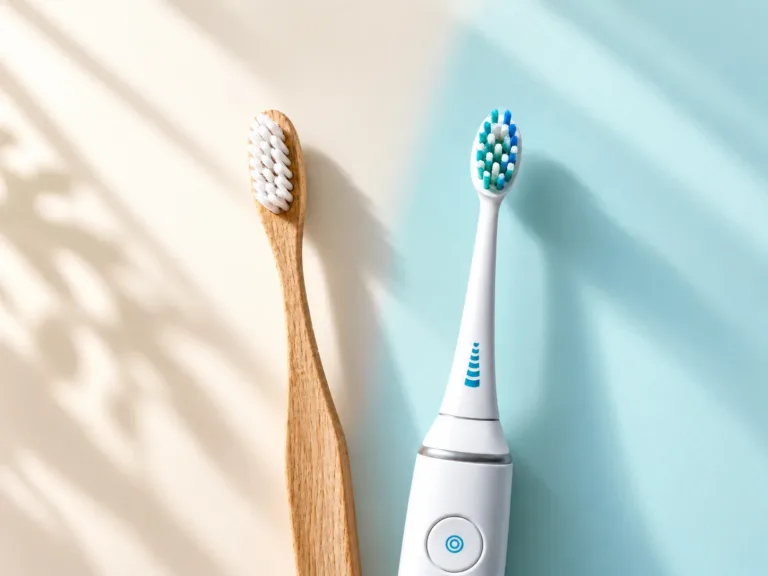
An electric toothbrush can give you an advantage in removing plaque and reducing gum inflammation. A manual brush can also clean effectively. The useful question is which brush helps you clean your whole mouth gently and consistently. [1,2]
Standing in the toothbrush aisle, you could be forgiven for thinking you need an app, several cleaning modes, and a charging case to take care of your teeth. Before choosing, it helps to separate the evidence for powered brushing from the appeal of a particular product.
What the research actually shows
A 2014 Cochrane review of 56 trials found an average advantage for powered brushes. At one to three months, plaque scores were about 11% lower and gingivitis (gum inflammation) scores 6% lower. Beyond three months, the figures were 21% and 11%. [2]
These are research scores, not percentages of cavities prevented or teeth saved. Evidence certainty was moderate, results varied, and the clinical importance was unclear. The review does not evaluate every brush sold today. [2]
When electric brushing may be worth considering
Powered brushing may be easier if hand movement is limited or you need help cleaning around dental appliances. The ADA recognizes that both manual and powered brushes can work effectively. [1]
I would make the decision around the obstacle you are trying to solve. If you rush, look for a timer. If you press hard, consider a pressure alert. If the handle is difficult to hold, try the grip before buying. Then ask your dental team to check whether the change is actually helping.
A brush still needs to reach the areas being cleaned. Its motor cannot tell you, by itself, whether you consistently miss the inside surfaces of your lower teeth or the back of the last molar.
What the manufacturers can tell us
Manufacturer instructions are useful for understanding a specific brush. Oral-B’s iO2 guide describes a two-minute timer with 30-second signals, a pressure warning, and guiding the head around each tooth without scrubbing. Philips lists a pressure sensor, a two-minute SmarTimer, and a 30-second QuadPacer for the Sonicare 4100 model HX3689/22. [5,6]
These are examples of practical features, not a ranking of the two brands. Features differ by model. A manufacturer’s plaque-removal claim also needs its comparator, test conditions, and footnotes before it can be interpreted fairly.
Choosing and using your brush
You do not need to start with the most expensive model
My suggested shopping priorities are a comfortable head and handle, soft bristles, an affordable supply of replacement heads, and controls you will actually use. A timer and pressure alert are worth considering when they address your habits. Treat extra modes, screens, and app features as optional preferences rather than a reason to exceed your budget.
The ADA Seal of Acceptance can help identify products evaluated for safety and effectiveness. It does not establish that the most expensive accepted brush is the best fit for you. [1]
What about sensitive or receding gums
An electric brush is not automatically harsher on gums. A 2026 systematic review found no clear difference between manual and powered brushes in progression of gum recession; the certainty of the evidence was very low. That does not prove every brush or technique is equally safe. [4]
Use gentle pressure. If brushing hurts, or recession or sensitivity is developing, have your technique and the area examined rather than simply changing to a stronger cleaning mode. [1,4]
A routine that works with either brush
Brush twice daily for about two minutes with fluoride toothpaste, covering the outer, inner, and chewing surfaces. With a manual brush, use gentle, short strokes and angle the bristles toward the gumline. With a powered brush, follow the instructions for that model. [5,8]
Clean between your teeth daily using an appropriate method, such as floss or an interdental brush. Electric brushing does not remove the need for this step. Your dental team can help you choose a method that fits your mouth and is manageable for you. [3]
Replace the brush or brush head about every three to four months, sooner if the bristles are worn, and follow the manufacturer’s replacement instructions. [1]
Bleeding gums need attention
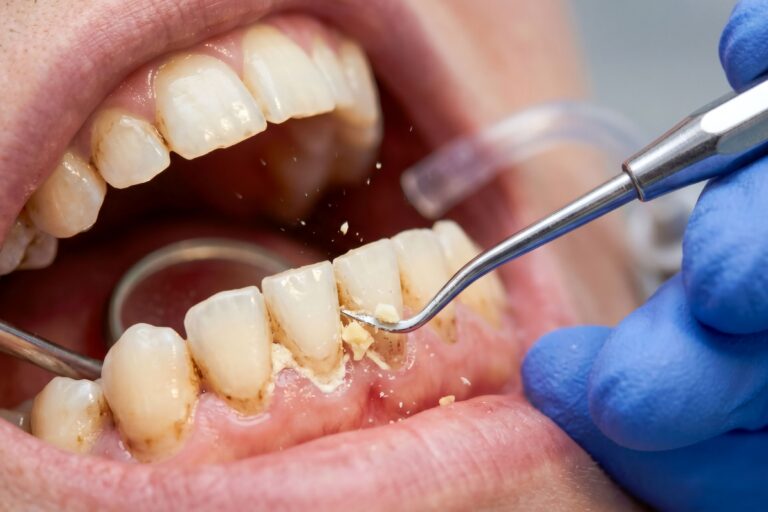
Bleeding, swelling, persistent bad breath, or teeth that feel loose deserve a dental assessment. Do not assume bleeding means the new brush is working. Plaque can harden into tartar, which requires professional removal. Established periodontal disease needs professional care; buying a different brush cannot replace that treatment. [7]
Bring your toothbrush to your next visit
Before spending more, ask: Where am I leaving plaque? Am I using too much pressure? Can you show me how to clean the areas I miss? The answers can make your next purchase more useful—or show you how to get more from the brush you already own.
At Highlands Dentistry in Issaquah, we can review your home-care routine and help you choose an approach suited to your teeth and gums. Learn more about our general dentistry care or request an appointment.
About the author: Ray Besharati, DDS, DMD, MS, practices at Highlands Dentistry in Issaquah, Washington.
This article provides general education and does not replace an individual dental examination or personalized advice.
Clinical references
- American Dental Association. Toothbrushes.
- Yaacob M, et al. Powered versus manual toothbrushing for oral health. Cochrane Database of Systematic Reviews. 2014;6:CD002281. doi:10.1002/14651858.CD002281.pub3.
- American Dental Association. Home Oral Care.
- Molina C, et al. Influence of Manual and Powered Toothbrushes on Gingival Lesions: A Systematic Review and Meta-Analysis. International Journal of Dental Hygiene. Published online May 3, 2026. doi:10.1111/idh.70086.
- Oral-B. iO2 user guide. Manufacturer source for instructions, timer, and pressure sensor.
- Philips. Sonicare 4100 Series HX3689/22. Manufacturer source for the specified model’s features.
- National Institute of Dental and Craniofacial Research. Periodontal (Gum) Disease.
- American Dental Association MouthHealthy. Brushing Your Teeth.