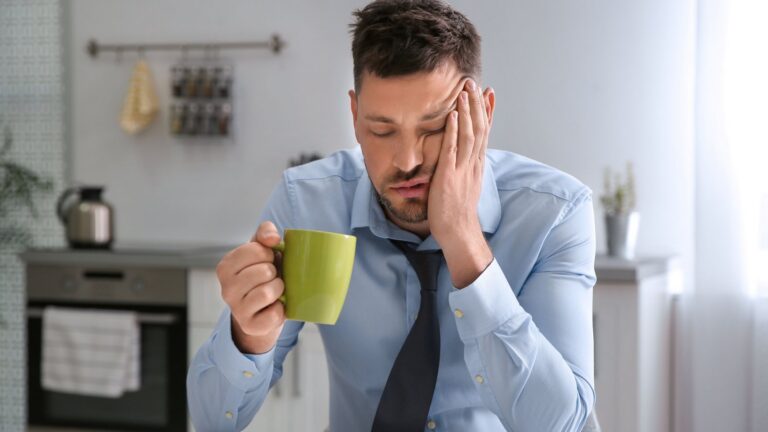
You went to bed on time. You gave yourself a full night. Yet the alarm goes off and you already feel behind on rest.
One rough morning can happen. A pattern of waking unrefreshed deserves a closer look.
Eight hours in bed does not tell the whole story. Time awake, interrupted sleep, individual sleep needs, and health conditions can all affect how rested you feel. Persistent tiredness is worth discussing with your healthcare provider.1
Why am I still tired after eight hours of sleep?
Start with what those eight hours contain. Time spent falling asleep or lying awake counts toward time in bed, but it does not add to time asleep. Your body may also need more sleep than your current schedule allows.1
Other possibilities include insomnia, persistent pain, medication effects, depression, anemia, and thyroid problems. Obstructive sleep apnea is another possibility. Several factors can exist together.2
A useful evaluation begins with the pattern: when the tiredness started, how often it happens, what your nights are like, and how it affects your day.
Am I tired—or am I actually falling asleep?
These descriptions help your clinician understand the problem:
- Fatigue: You feel drained or low on energy.
- Sleepiness: You struggle to stay awake or find yourself dozing.
You can experience both. Be specific about what happens: “I have no energy after lunch” and “I keep falling asleep during conversations” describe different concerns.2
When should sleep apnea be considered?
Obstructive sleep apnea happens when the upper airway repeatedly narrows or becomes blocked during sleep. Breathing interruptions can disrupt sleep even when you do not remember waking.3
Discuss the possibility with a medical clinician, especially if unrefreshing sleep comes with:
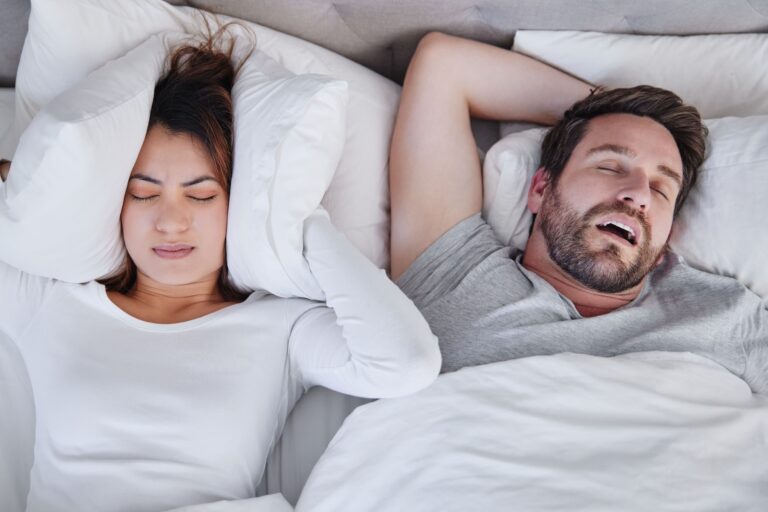
- Frequent loud snoring.
- Breathing pauses noticed by someone else.
- Waking with choking or gasping.
- Daytime dozing or difficulty concentrating.
- Morning headaches, dry mouth, or frequent nighttime bathroom trips.
These are clues, and some are shared with other conditions. You do not need every symptom before asking for help.4
If snoring is the symptom you notice most, You Snore. Should You Worry? looks at when the sound matters and when it does not.
Persistent tiredness deserves an explanation. Sleep apnea is one possibility to investigate.
Can a dentist tell whether I have sleep apnea?
A dentist can ask about symptoms, examine your mouth, and identify reasons to seek a sleep evaluation. An oral examination or screening questionnaire alone cannot establish a sleep apnea diagnosis.
Diagnosis requires an appropriate sleep assessment and objective testing. For some adults, a home sleep apnea test is suitable. Others need an overnight study in a sleep laboratory. Your medical clinician chooses the test based on your symptoms and health history.5
What if my home sleep test was negative?
Tell the clinician if you still have symptoms. A negative home test does not always settle the question.
The American Academy of Sleep Medicine recommends an in-laboratory sleep study when a home sleep apnea test used to investigate suspected OSA is negative, inconclusive, or technically inadequate. Follow-up also gives your clinician an opportunity to investigate other explanations for poor sleep.5
Could an oral appliance help?
For selected adults with diagnosed obstructive sleep apnea, a custom oral appliance can be an option, including when CPAP is difficult to tolerate or a patient prefers an alternative after discussing the choices.
The appliance is designed to hold the lower jaw forward during sleep. It differs from a routine guard made mainly to protect teeth. The AASM and American Academy of Dental Sleep Medicine recommend a custom, adjustable appliance when oral appliance therapy is prescribed, with dental follow-up and sleep testing to check effectiveness. Jaw discomfort, tooth discomfort, and bite changes need monitoring.6
Treatment should follow the diagnosis. A dental appliance is not a general treatment for unexplained tiredness.
What can I do before my appointment?
Bring a short record of your bedtimes, wake times, nighttime awakenings, naps, and daytime sleepiness. Note any snoring or breathing pauses someone has noticed. A sleep diary can help your clinician understand what is happening.7
Keep your sleep schedule reasonably consistent, allow enough time for sleep, and notice whether late caffeine or alcohol near bedtime affects your nights. These habits support sleep, but persistent symptoms still deserve assessment.8
Bring your medication list, including over-the-counter products. Discuss possible side effects with the prescriber before changing anything.2
When does sleepiness need prompt attention?
If you are fighting sleep behind the wheel, stop driving and arrange a safe alternative. Seek prompt medical assessment. Coffee or an energy drink does not reliably make drowsy driving safe.9
Do not delay seeking help for significant sleepiness or repeated nighttime gasping just to finish a sleep diary.
Where should I start?
For ongoing, unexplained tiredness, start with your primary-care clinician or a sleep-medicine clinician. Mention snoring, gasping, breathing pauses, and any daytime dozing.
Our dental office can help screen for sleep-related breathing concerns and discuss where dental treatment may fit within coordinated care. Learn about our Sleep & Airway care or request an evaluation.
This article provides general education for adults. Your symptoms and health history determine the assessment and treatment you need.
References
- National Heart, Lung, and Blood Institute. Sleep Deprivation and Deficiency: How Much Sleep Is Enough. Updated March 24, 2022.
- MedlinePlus Medical Encyclopedia. Fatigue. Reviewed May 19, 2025.
- National Heart, Lung, and Blood Institute. Sleep Apnea. Updated January 9, 2025.
- National Heart, Lung, and Blood Institute. Sleep Apnea: Symptoms. Updated January 9, 2025.
- Kapur VK, Auckley DH, Chowdhuri S, et al. Clinical Practice Guideline for Diagnostic Testing for Adult Obstructive Sleep Apnea: An American Academy of Sleep Medicine Clinical Practice Guideline. Journal of Clinical Sleep Medicine. 2017;13(3):479–504.
- Ramar K, Dort LC, Katz SG, et al. Clinical Practice Guideline for the Treatment of Obstructive Sleep Apnea and Snoring with Oral Appliance Therapy: An Update for 2015. Journal of Clinical Sleep Medicine. 2015;11(7):773–827.
- National Heart, Lung, and Blood Institute. Sleep Apnea: Diagnosis. Updated January 9, 2025.
- National Heart, Lung, and Blood Institute. Sleep Deprivation and Deficiency: Healthy Sleep Habits. Updated March 24, 2022.
- National Highway Traffic Safety Administration. Drowsy Driving.
Sources accessed September 13, 2026.