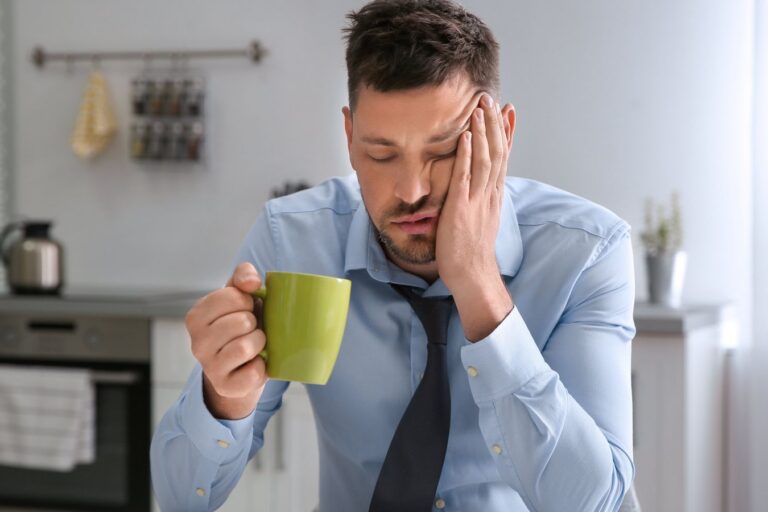
If CPAP is difficult to use, the next step is a conversation with your sleep team about what is getting in the way. A different mask, better comfort settings, or another treatment may deserve consideration. For some adults with diagnosed obstructive sleep apnea, a custom oral appliance is an option. The choice should follow your diagnosis and a plan for checking whether treatment works.1,2
You do not need to wait until you have given up on CPAP to ask for help. Be specific about what happens at night and what you have already tried.
Start with what makes CPAP difficult
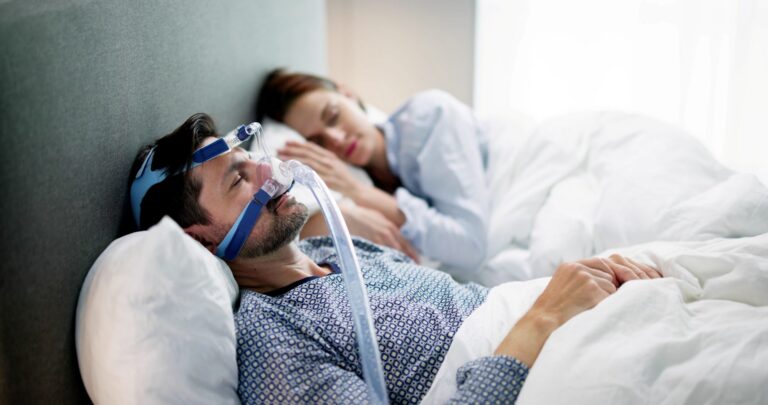
CPAP uses air pressure to keep the breathing airway open during sleep. Problems with mask comfort, nasal symptoms, dryness, or pressure can make it difficult to use consistently. Your clinician can help review the mask, humidification, pressure settings, and whether a different type of positive airway pressure therapy is appropriate.1
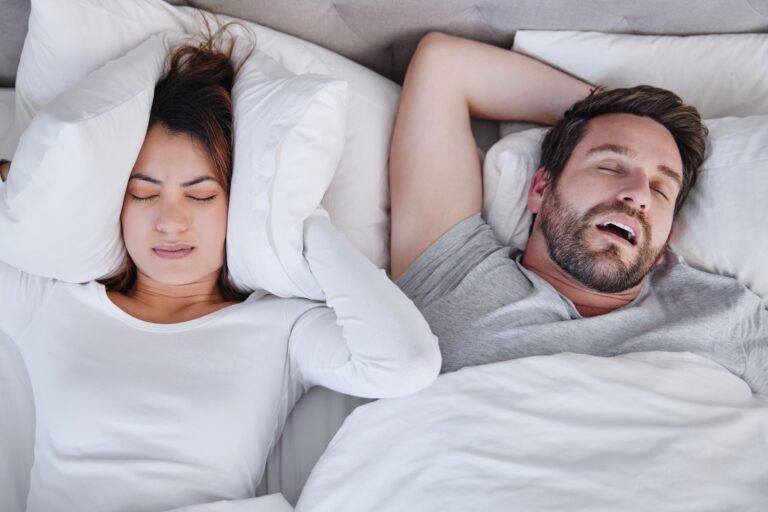
Describe the problem in practical terms: “Air leaks toward my eyes,” “I wake with a dry mouth,” or “I remove the mask during the night.” If you share a bed, ask your partner what they notice: snoring, pauses in breathing, or the mask coming off during the night. Bring your equipment details and ask the sleep team to review your device data. Avoid changing prescribed pressure settings on your own.1,9
When an oral appliance may fit
A sleep apnea oral appliance usually holds the lower jaw forward during sleep to help keep the airway open. It has a different purpose from a routine guard made mainly to protect teeth.2
The joint American Academy of Sleep Medicine and American Academy of Dental Sleep Medicine guideline supports considering oral appliances for adults with obstructive sleep apnea who cannot tolerate CPAP or prefer an alternative. When prescribed, a custom, adjustable appliance is recommended over a non-custom device.2
CPAP generally reduces breathing interruptions and oxygen drops more effectively than oral appliances. An appliance may still be a reasonable choice for an individual patient, but being easier to wear does not establish that it provides enough treatment.2
Your teeth and jaw belong in the decision
Before an appliance is selected, the dentist should review your sleep and medical history, teeth and gums, existing dental work, bite, jaw movement, and any history of jaw pain or locking. These findings help determine suitability and guide appliance selection. A dental examination or screening questionnaire alone cannot diagnose sleep apnea; that diagnosis belongs with the medical clinician and appropriate sleep testing.3
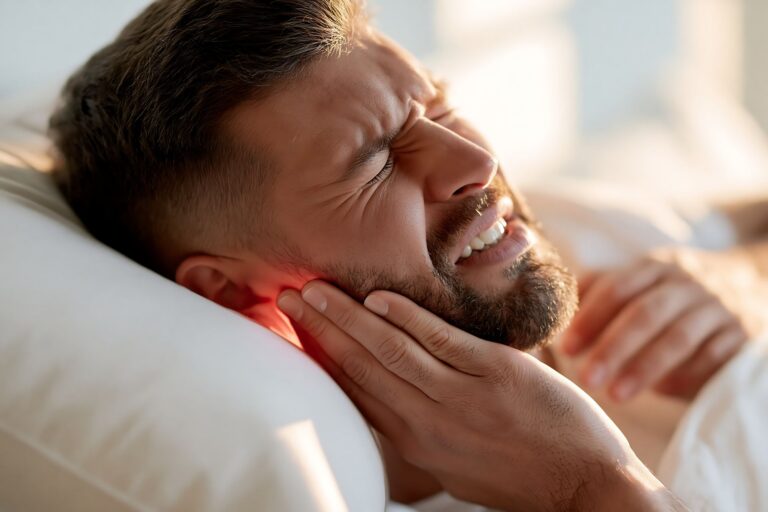
If your jaw already hurts, mention it before treatment begins. Ask how symptoms will be monitored and what would prompt a change in the plan. The appliance should be chosen with your oral health in mind, alongside the sleep treatment goal.3
Understand the possible side effects
Oral appliance therapy can cause tooth or jaw soreness, dry mouth, extra saliva, and changes in how the teeth meet. Some early discomfort can be managed with adjustments, while bite changes may develop over time and can persist.4
Ask the dentist to document your starting bite and explain the follow-up plan. Contact the treating office if pain persists, worsens, or affects everyday function, or if your bite feels different through the day. Changes in the appliance or treatment plan should be coordinated with the clinicians responsible for your care.4
Check effectiveness after the appliance is adjusted
An appliance fitting is one step in treatment. Once you have adapted and the setting has been adjusted, follow-up sleep testing is used to assess the response with the appliance in place. Your sleep clinician determines whether a home sleep apnea test or an in-laboratory study is appropriate.5
Less snoring or feeling more rested is useful information, but symptom improvement alone may leave breathing problems unresolved. Ask what the follow-up study showed and whether the result meets your treatment goals.6
Regular dental follow-up also checks comfort, the bite, and the condition of the appliance. Tell your sleep team if symptoms return or your health or weight changes substantially; reassessment may be needed.3,5
Other options may also belong in the conversation
Depending on the diagnosis and individual circumstances, the medical team may discuss weight management, treatment that reduces sleeping on the back, or selected surgical options. These approaches have different indications and limitations. Their role should be decided with your clinician, rather than assumed to replace prescribed treatment.7
Questions to bring to your next visit
- What does my sleep study tell us about my condition and treatment needs?
- Which CPAP difficulties could we address before changing treatment?
- Am I a suitable candidate for a custom oral appliance?
- How will my teeth, bite, and jaw symptoms be monitored?
- When will we check the appliance’s effectiveness with sleep testing?
- What is the plan if the appliance does not provide enough treatment?
- What is included in the total cost, including adjustments and follow-up?
The goal is a treatment plan you can use consistently, with evidence that it is controlling your sleep apnea and a clear route back to care when problems arise.
At Highlands Dentistry in Issaquah, we evaluate oral appliance suitability and coordinate care with sleep physicians. Learn about our Sleep & Airway care or request a sleep-related evaluation. If you already have a sleep study or use CPAP, bring the report and details of your current treatment. Please send medical records through the route our team provides.3,8
Related reading: Eight Hours of Sleep and Still Exhausted?
This article provides general education for adults. Your medical and dental findings determine which treatment is appropriate.
References
- National Heart, Lung, and Blood Institute. CPAP. Updated March 24, 2022.
- Ramar K, Dort LC, Katz SG, et al. Clinical Practice Guideline for the Treatment of Obstructive Sleep Apnea and Snoring with Oral Appliance Therapy: An Update for 2015. Journal of Clinical Sleep Medicine. 2015;11(7):773–827.
- Levine M, Cantwell M, Postol K, Schwartz D. Dental Sleep Medicine Standards for Screening, Treatment, and Management of Sleep-Related Breathing Disorders in Adults Using Oral Appliance Therapy: An Update. Journal of Dental Sleep Medicine. 2025;12(2).
- Sheats RD, Schell TG, Blanton AO, et al. Management of Side Effects of Oral Appliance Therapy for Sleep-Disordered Breathing. Journal of Dental Sleep Medicine. 2017;4(4):111–125.
- Caples SM, Anderson WM, Calero K, Howell M, Hashmi SD. Use of polysomnography and home sleep apnea tests for the longitudinal management of obstructive sleep apnea in adults. Journal of Clinical Sleep Medicine. 2021;17(6):1287–1293.
- Sheats R, Essick G, Grosdidier J, et al. Identifying the Appropriate Therapeutic Position of an Oral Appliance. Journal of Dental Sleep Medicine. 2020;7(4). Updated November 29, 2023.
- National Heart, Lung, and Blood Institute. Sleep Apnea Treatment. Updated January 9, 2025.
- Highlands Dentistry. Sleep & Airway care and Evaluation Request.
- Patil SP, Ayappa IA, Caples SM, et al. Treatment of Adult Obstructive Sleep Apnea with Positive Airway Pressure: An American Academy of Sleep Medicine Clinical Practice Guideline. Journal of Clinical Sleep Medicine. 2019;15(2):335–343.
Sources accessed October 12, 2026.