Not always. Many people have painless clicking that stays stable for years. Clicking that’s painful, getting worse, or paired with locking is worth evaluating.
TMJ & Orofacial Pain Care · Issaquah
TMJ Treatment & Jaw Pain Care in Issaquah
Start with a focused evaluation, a clear explanation, and conservative options suited to your findings.
Ray Besharati, DDS, DMD, MS
Advanced Training in TMJ & Orofacial Pain
Master of Science in Orofacial Pain and Oral Medicine
University of Southern California (USC)
Our team will contact you within one to two business days to discuss your appointment request.
Care starts with understanding your symptoms.
Jaw pain, painful clicking, limited opening, and facial aching can have different causes. We listen to your story, examine the relevant structures, and explain the appropriate next step. You do not need to arrive with a diagnosis.
Recommendations depend on the assessment. We start with conservative, reversible care when appropriate and coordinate referrals when needed.
Located in Issaquah Highlands, we welcome patients from Sammamish and surrounding Eastside communities.
Plan your visit: what to bring, insurance, and payment information · Meet Dr. Besharati
Does This Sound Familiar?
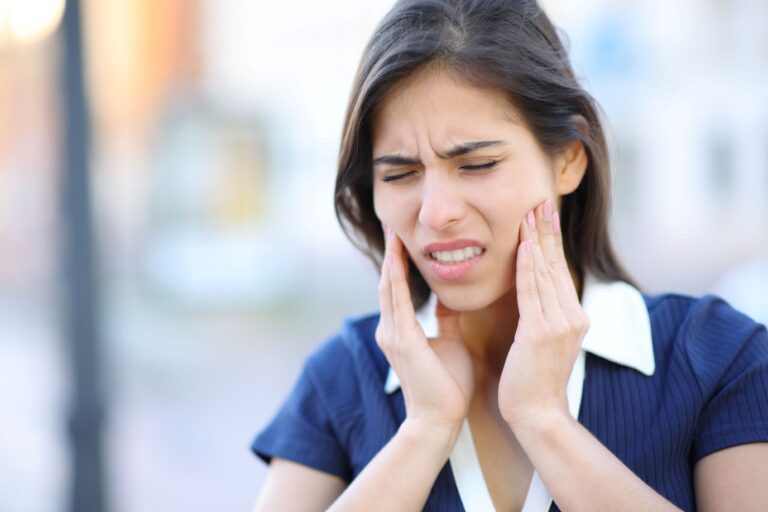
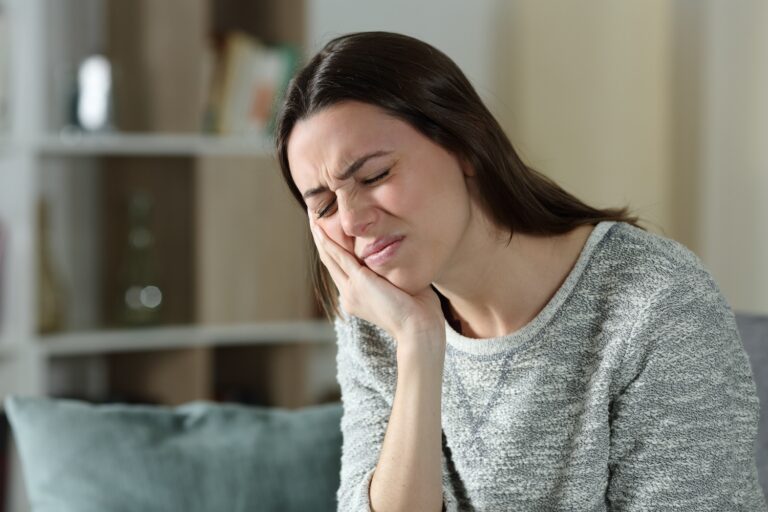
- Jaw pain or tenderness near the ear, especially when chewing
- Painful clicking, limited opening, or a jaw that locks
- Clenching, morning jaw soreness, or tooth wear
- Facial aching or temple pain that changes with jaw movement
Painless clicking alone may not need treatment. An assessment helps clarify symptoms that are painful, changing, or affecting how your jaw works.
Related Insights: Why Does My Jaw Hurt on One Side? and When Does a Night Guard Help—and When Can It Make Things Worse? · Jaw Locked? What To Do If Your Mouth Won’t Open or Close
What It Might Mean
“TMJ” is the joint. “TMD” is the disorder. People use them interchangeably, but what matters is identifying the specific pattern behind your symptoms.
Jaw symptoms can overlap with dental problems, sinus and ear issues, arthritis, nerve pain, and headache disorders. A focused evaluation helps prevent overtreatment and points you toward the least invasive option that fits the diagnosis.
-
Muscle-Driven Pain
Tightness, soreness, or pressure in the cheeks and temples. Can refer pain to teeth, the ear area, or the head and neck. Often gets worse with stress, clenching, gum chewing, or long dental appointments.
-
Joint Irritation
Pain closer to the joint, right in front of the ear, usually with opening or chewing. May be tender to touch. Sometimes shows up with new or increased joint noises.
-
Disc Mechanics
A click happens when the joint’s disc doesn’t move in coordination with the jaw. Painless clicking can be stable for years. Clicking with pain or locking is worth a closer look.
-
Headaches With Jaw Involvement
Jaw and temple muscles can contribute to some headaches. Other causes are possible. We assess your symptoms and coordinate with your physician when needed.
-
Grinding & Clenching (Bruxism)
Bruxism can occur during the day or during sleep. It may contribute to tooth wear, jaw muscle discomfort, or headaches. Awareness of daytime clenching can be one part of a plan tailored to the findings.
How Our Evaluation Works
-
Your Story
Orofacial pain is pattern-based. We ask about when it started, what triggers it, the quality of pain, your sleep, stress levels, past dental work, and what you’ve already tried.
-
Focused Exam
- Range of motion: opening, side-to-side, and how the jaw tracks
- Muscle palpation: finding trigger areas and referral patterns
- Joint loading tests: telling muscle sensitivity apart from joint sensitivity
- Bite and occlusion screening: checking for instability or sudden shifts
- Parafunction review: clenching, grinding, and daytime jaw habits
-
Imaging (When Needed)
Imaging isn’t always necessary. If your history and exam suggest joint degeneration, disc problems, trauma, or something unusual, we may recommend imaging or coordinate with a specialist. The goal is the right information without unnecessary tests.
What You Leave With
- A plain-language explanation of what’s most likely going on
- A prioritized plan: what to do first, what to watch, and when to escalate
- Clear expectations for follow-up and timeline
When to Seek Urgent Help
-
Recent injury or impact to the jaw or face
-
Difficulty breathing or swallowing, or severe swelling in your mouth, face, or neck: seek emergency care now. Call 911 if breathing is difficult or you cannot get there safely.
-
For fever or new or increasing jaw or facial swelling, contact a dentist or medical professional promptly for urgent advice; if you cannot reach one, seek urgent care.
-
Jaw suddenly won’t open beyond about two fingers, or locks repeatedly
-
A sudden bite change that showed up overnight
-
Sudden “worst headache of life” or thunderclap headache: call 911 immediately.
-
Sudden weakness, numbness, trouble speaking, or vision changes: call 911 immediately.
Treatment Options
Our approach: conservative, reversible, evidence-informed. Many TMDs improve over time and symptoms can fluctuate. We start with low-risk steps before considering anything more involved.
We avoid one-size-fits-all appliances without a diagnosis, irreversible bite changes as a first step, overpromising, and treatments that don’t match the pattern.
-
Education & Habit Coaching
Clenching awareness and micro-habits. Jaw rest and flare-up strategies. Ergonomic adjustments for head, neck, and workstation. Stress management approaches that are realistic and sustainable.
-
Physical Therapy (When Indicated)
Targeted jaw and neck muscle work to reduce guarding. Mobility work focused on control, not force. We coordinate with physical therapists in the Issaquah, Bellevue, and Seattle network who understand jaw mechanics.
-
Appliance Therapy (Custom, Diagnosis-Matched)
Used to protect teeth, reduce overload, and stabilize symptoms. The right appliance depends on your diagnosis. One size does not fit all. We monitor bite changes and comfort over time.
-
Medication & Collaborative Care
Short-term medications can help calm an acute flare. We coordinate with your physician when needed, especially for headaches, nerve pain, or sleep-related concerns. For complex pain, we work with neurology, ENT, sleep medicine, behavioral health, and pain psychology.
Frequently Asked Questions
Ready to get some clarity?
Call the office or request an appointment using our online form. We’ll get back to you within one to two business days and make sure we set aside enough time for your visit.
Mon through Thu, 7am to 4pm. Leave a message anytime and we’ll call you back within one to two business days.